Black spots spreading across your drywall, dark stains forming on a ceiling, or a heavy, earthy odor rising from your basement are signs of active microbial growth. NR Mold Remediation provides scientific black mold removal Lincoln, NE property owners rely on to safely decontaminate residential and commercial buildings.
Our company was founded on a simple premise: too many property owners are sold temporary bleach wipe-downs that leave fungal roots (hyphae) alive inside structural timber. We bring engineering rigor, hospital-grade biological containment, and thermal moisture diagnostics to every structure we treat.
Whether you are dealing with damp foundation walls after a spring thaw, a hidden plumbing leak behind a bathroom wall, or condensation-driven attic growth, our technicians isolate the hazard, physically extract the contamination, and pinpoint the moisture source feeding the colony.
Immediate Field Dispatch: Call (123) 457-8990 to reach our certified Lincoln black mold technicians directly.
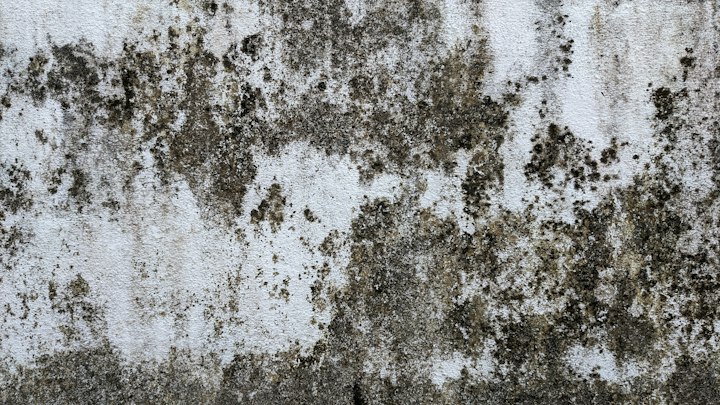
Active Stachybotrys fungal colony spreading across moisture-compromised drywall requiring negative air containment.
What Black Mold Problems Can NR Mold Remediation Resolve?
Visible dark patches are rarely the whole story. By the time fungal colonies break through paint or wallpaper, mycelium networks have often colonized the dark, damp cavities behind your surfaces. Wiping down a visible patch without addressing the substrate disturbs the colony, releasing millions of microscopic spores and mycotoxins into your HVAC system and living spaces.
NR Mold Remediation helps Lincoln homeowners, landlords, and commercial facility managers resolve complex microbial infestations:
Complete mold on walls removal service Lincoln NE properties require when condensation, high indoor humidity, or exterior siding leaks trigger dark surface colonies. We isolate affected rooms and extract compromised paint layers and drywall.
Safe, negatively pressurized mold behind drywall removal Lincoln NE homeowners trust to extract colonies growing inside wall studs, fiberglass insulation, and vapor barriers before spores circulate into living spaces.
Rapid microbial intervention within 24 to 48 hours of burst pipes, water heater failures, sump pump backups, or ice-dam roof leaks. Rapid extraction prevents permanent colonization of structural floor joists.
Diagnostic mold smell removal service Lincoln NE residents use to track down and eliminate the microbial volatile organic compounds (mVOCs) causing persistent musty odors.
Scientific Fact Check: Dark coloration alone cannot confirm whether a colony is Stachybotrys chartarum (commonly called "toxic black mold") or another dark-pigmented species like Aspergillus, Cladosporium, or Alternaria. Regardless of species, active indoor fungal growth degrades indoor air quality and structural materials, and requires strict physical containment during removal.
If you need professional black mold remediation Lincoln, NE specialists to evaluate your home or building, our crew will inspect the affected zone, map the moisture pathway, and provide a clear, step-by-step scope of work.
Rapid Biological Containment
Suspect Toxic Black Mold Behind Your Walls?
Do not scrub or disturb dry spores. Speak with our certified Lincoln remediation crew for immediate containment protocols.
Comprehensive Mold Removal and Remediation Services in Lincoln, NE?
Every structure across Lancaster County reacts differently to water intrusion. As part of our comprehensive mold remediation in Lincoln, NE, we tailor our containment protocols and extraction methods to the specific building materials, contamination footprint, and structural layout of your property.
Black Mold Removal?
When dark fungal colonies establish on porous building materials, surface scrubbing is ineffective. Our protocol combines negative air containment with complete physical extraction.
Water intrusion becomes a biological emergency within 24 to 48 hours. Rapid extraction and drying stop spores before colonies digest structural timber.
Rapid Water Extraction: Clears floodwater and plumbing burst residues.
Porous Material Disposal: Removes saturated drywall, padding, and trim.
How Do We Treat Specific Building Materials: Drywall, Wood, Walls, and Ceilings?
Different building substrates absorb moisture and harbor fungal roots in vastly different ways. Our technicians never apply a one-size-fits-all spray; we treat materials based on porosity and structural integrity:
Affected Material
Why Mold Grows Here
Our Scientific Remediation Protocol
Drywall & Sheetrock
Paper facing is pure cellulose (prime mold food), and the gypsum core traps water like a sponge.
Physical Extraction: Bleach cannot penetrate porous sheetrock. For mold on drywall removal Lincoln NE, we seal the room under negative pressure, cut out affected drywall 12 to 24 inches beyond visible growth, and bag it inside the containment zone.
Structural Wood & Framing
Dimensional lumber, wall studs, and floor joists absorb moisture from leaks or high humidity, allowing roots to anchor in the wood grain.
Abrasive Cleaning & Treatment: Framing cannot simply be thrown away. For mold on wood removal Lincoln NE, we use HEPA-shrouded sanding, wire brushing, and media blasting to physically plane away fungal roots, then seal and treat the timber with EPA-registered botanical antimicrobials.
Ceilings & Overhead Cavities
Bathroom steam, upstairs plumbing leaks, or roof failures pool water directly on top of ceiling drywall and acoustic tiles.
Overhead Containment: Our mold on ceiling remediation Lincoln NE protocol safely drops saturated ceiling materials under negative air pressure so gravity does not shower your floors and furniture with millions of spores.
Interior Walls & Hidden Cavities
Slow pinhole pipe leaks or exterior flashing failures soak the back of the wall long before stains show on the front.
Thermal Mapping & Cavity Care: Whether you need surface mold on walls removal service Lincoln NE or deep mold behind drywall removal Lincoln NE, we map the exact moisture perimeter with infrared cameras so we only remove what is necessary while ensuring zero hidden mold remains.
Zoned containment barrier preventing cross-contamination during sheetrock removal.Commercial HEPA air scrubber extracting airborne mycotoxins and dust.
Structural Material Care
Concerned About Mold in Drywall or Framing?
Avoid surface bleach wipe-downs that leave hyphae behind. Request a professional on-site evaluation today.
At NR Mold Remediation, we treat every project as a controlled environmental decontamination operation. Here is exactly what happens when you hire our Lincoln crew:
Step 1
Initial Consultation & Symptom Intake?
Call our office at (123) 457-8990 and tell us what you are seeing or smelling. Whether it is dark spotting around a window, a damp basement corner, or a history of water leaks, we gather the critical background details of your building.
Step 2
Thermal & Hygrometric Diagnostics?
Our technicians arrive with calibrated pinless moisture meters, thermo-hygrometers, and infrared cameras. We trace the moisture migration path, identifying whether the culprit is a hidden plumbing joint, a foundation weep hole, condensation, or roof intrusion.
Step 3
Transparent Scope of Work?
We show you our moisture readings and explain exactly which materials can be salvaged and which must be physically removed. You get a clear, honest remediation plan based on building science, never fear-mongering.
Step 4
Erecting Sealed Plastic Airlocks & Negative Air?
Before a single piece of moldy drywall is touched, we isolate the work zone using heavy-duty polyethylene sheeting and zippered airlocks. We vent commercial air scrubbers outdoors to create negative air pressure, ensuring spores cannot escape into the rest of your home while we work.
We safely demolish and double-bag unsalvageable porous materials (drywall, fiberglass insulation, carpet pad). Exposed structural framing is scrubbed, HEPA-vacuumed, and treated with hospital-grade, EPA-registered botanical antimicrobials (utilizing essential plant oils like thymol) that eliminate microbial remnants without filling your home with harsh synthetic chemical fumes.
Mold will return if the water source remains active. We dry the structural materials to safe moisture-content benchmarks, advise on permanent moisture or drainage fixes, and walk you through post-remediation verification so you know your property is clean, dry, and safe.
Controlled Environmental Decontamination
Ready for Step 1: Professional Consultation & Intake?
Speak directly with our on-duty Lincoln specialists to discuss symptoms, schedule diagnostics, and receive a clear scope.
Can Black Mold Remediation Permanently Eliminate Musty Smells?
Yes, because our mold smell removal service Lincoln NE targets the biological source of the odor rather than masking it with perfumes or ozone sprays.
That unmistakable, heavy "old basement" or earthy smell is caused by microbial volatile organic compounds (mVOCs), gases released directly into the air by actively metabolizing fungi. Air fresheners, scented candles, and surface sprays only cover the smell for a few hours while hidden colonies continue feeding on damp wood or drywall paper.
By physically removing the decaying materials, extracting fungal roots from framing timber, running activated-carbon and HEPA air filtration, and drying out the building envelope, NR Mold Remediation permanently eliminates the source of the mVOCs, restoring crisp, clean indoor air.
Permanent Odor Eradication
Persistent Musty Odors in Your Lincoln Home?
Do not let mVOC gases degrade your family's air quality. Call us to eliminate the fungal source at the root.
Frequently Asked Questions Before You Touch Black Mold Yourself?
Remediation costs in Lincoln depend on the square footage of the colony, whether the growth is on accessible surfaces or hidden inside wall and ceiling cavities, and the level of structural containment required. Small, localized surface treatments or minor attic/bathroom jobs typically cost significantly less than whole-basement teardowns involving extensive drywall removal and structural drying. Call (123) 457-8990 to discuss your situation and schedule an on-site assessment for an accurate, itemized estimate.
No, using household chlorine bleach on porous materials like drywall and framing wood is one of the biggest mistakes property owners make. Bleach's active chlorine molecules cannot penetrate porous surfaces; they stay on the top layer while the water component of the bleach actually soaks into the drywall or timber, feeding the underlying fungal roots (hyphae). Worse, bleaching strips the dark melanin pigment from the surface, making you think the mold is gone while it continues growing unseen inside the wall.
Once we physically extract the contaminated materials and sanitize the structure, that specific colony is gone for good. However, mold spores exist naturally in outdoor air everywhere in Nebraska. If a leaky pipe, foundation crack, or high indoor humidity (above 55 to 60%) is left unaddressed, new spores will eventually settle on the wet material and germinate. That is why our process combines physical removal with thermal moisture diagnostics to stop the water source.
No. While Stachybotrys chartarum produces hazardous mycotoxins, many common household molds, including species of Cladosporium, Aspergillus, and Penicillium, can appear dark green or black depending on what building material they are digesting. However, the EPA, CDC, and IICRC agree that all active indoor mold growth should be removed promptly using proper containment, regardless of species, as any concentrated fungal colony can trigger respiratory irritation, allergies, asthma flare-ups, and structural decay.
The EPA advises that if a mold patch is smaller than 10 square feet (roughly a 3x3 foot patch) on a hard, non-porous surface like bathroom tile or glass, you can often clean it carefully yourself. However, if the mold covers a larger area, is growing on porous drywall or structural wood, smells strongly across multiple rooms, involves HVAC ductwork, or stems from chronic water damage, DIY scrubbing is dangerous. Disturbing dry mold without negative air containment can aerosolize millions of spores throughout your entire home in minutes.
Call NR Mold Remediation for Black Mold Removal in Lincoln, NE?
Black mold colonies expand rapidly on damp drywall and structural timber. Call our on-duty Lincoln crew now for immediate biological containment, thermal diagnostics, and a clear written scope.